Mystery surrounds historic Australian auction coin
Author: Richard Brewster | Posted: 20th April, 2026
An 1873 Queen Victoria half sovereign with a previously unrecorded plate number has experts scratching their heads at its sudden appearance at an Australian auction.
The coin (lot 408), with the plate number 276 inscribed below the shield on the reverse, will be part of Melbourne-based Leski Auctions forthcoming Coins & Banknotes, Postcards, Stamps and Postal History sale from 12pm Tuesday and Wednesday April 28 and 29 at 727-729 High Street, Armadale.
Plate numbers are used to identify the batch from which coins were originally minted with collectors always keen to collect examples from different batches.
However, despite exhaustive research, Leski Auctions has been unable to discover any other coin with this plate number and believes it might be the only one in existence.
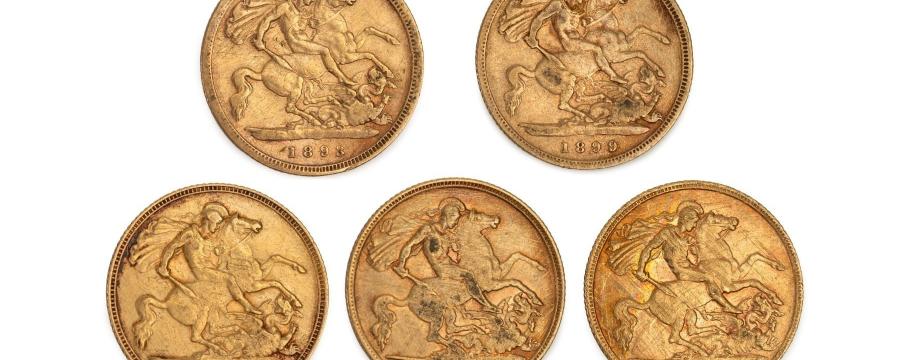
Other half sovereigns to feature include examples from 1893, 1899, 1903, 1905 and 1907 (lot 412).
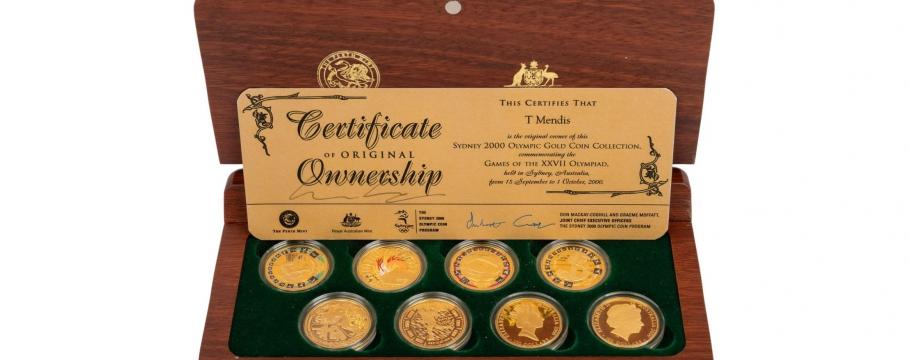
The auction has plenty of drawcards for auction goers with a Sydney 2000 Olympic gold coin collection, comprising a set of eight coloured $100 gold proofs in a jarrah presentation case (lot 319), a major highlight and carrying a catalogue estimate of $15,000-$17,500 catalogue estimate.
A 2010 decimal currency heritage set (lot 233) is another feature bound to fascinate collectors.
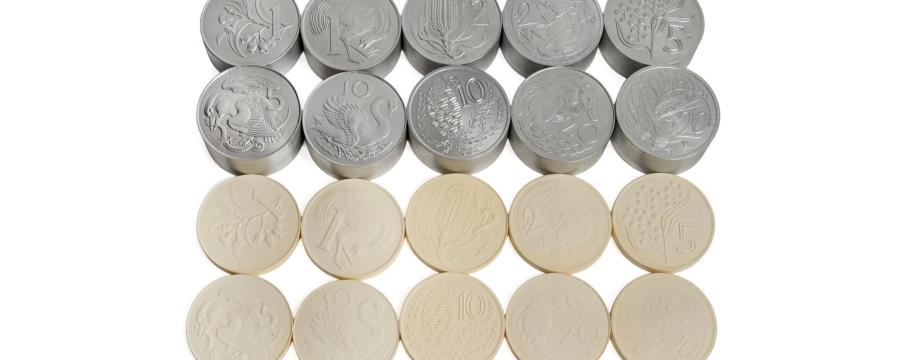
Comprising 10 resin-cast replicas (of which only 400 sets were released) and the unique set of 10 hardened steel dies used in their production, the Royal Australian Mint issued the Decimal Currency Heritage Set to indicate what Australia’s decimal currency could have looked like if alternative designs were chosen.
All designs were entered in the 1963 competition with those by Stuart Devlin selected for use.
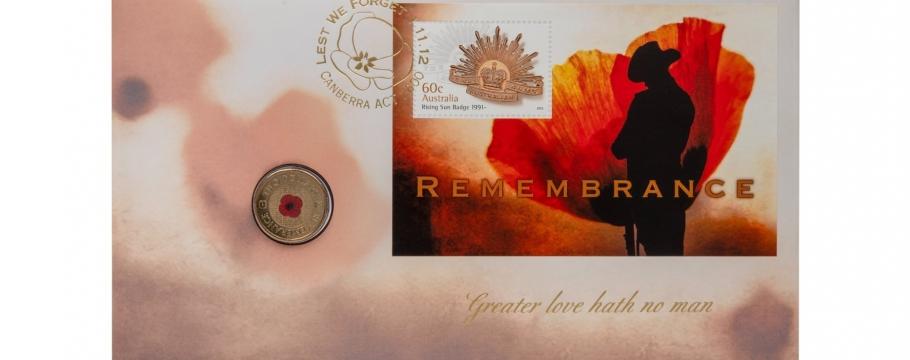
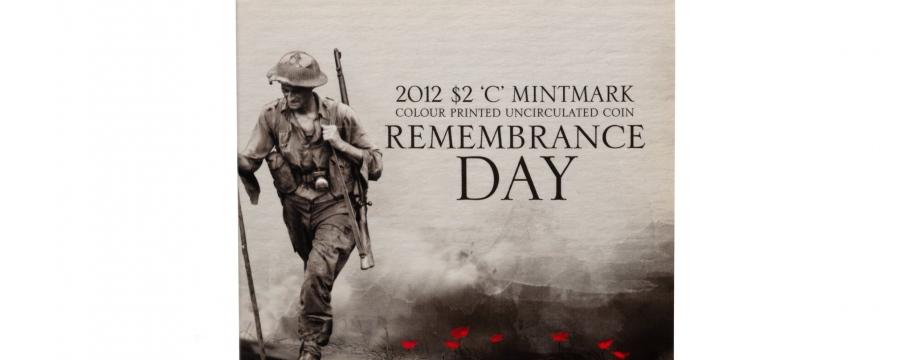
One of the more collectable items is the 2012 coloured Red Poppy $2 coins, minted in honour of Remembrance Day – examples of which can be seen at lot 87 and 239.
These specimens, the latter of which carries the much sought after C (for Canberra Mint) imprint, marks the Royal Australian Mint’s first foray into producing coloured coins for general circulation.
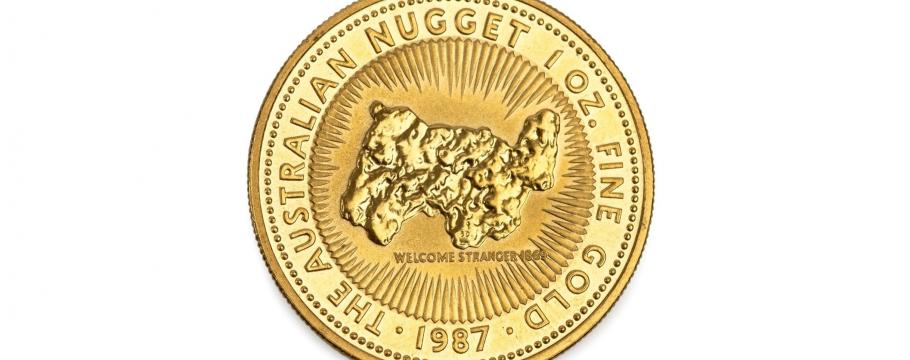
Other popular coins are the 1987 “Welcome Stranger Nugget” $100 gold bullion one-ounce specimens (lots 269-272), the first in the series that led to today’s kangaroos.
Discovered in 1869 by Cornish miners John Deason and Richard Oates near Moliagul in Victoria, the Welcome Stranger is the world’s largest alluvial gold nugget with a gross weight of almost 110 kilograms. So massive was the nugget it had to be broken into three pieces to be weighed.
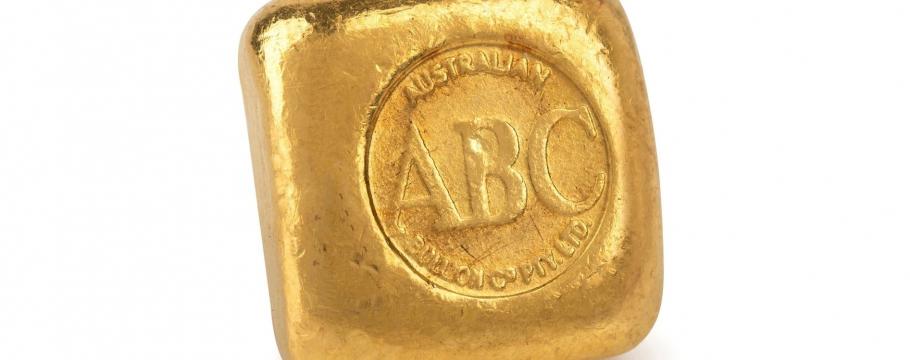
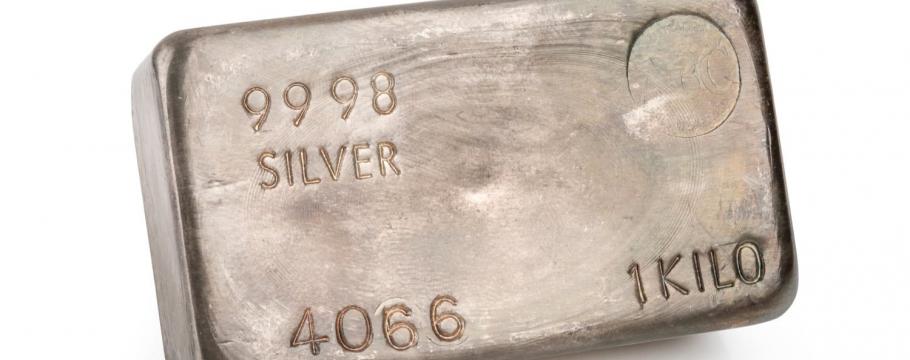
With gold and silver prices boosted on world markets – largely due to the current global geopolitical unrest – there has been a lot of interest in silver and gold bullion items, several of which are offered at this auction (lots 22-28 for gold and 19-21 for silver).
Currently gold bullion prices are more than $7000 an ounce for ABC ingots and more than $3500 per kilogram for silver specimens.
Both gold and silver in smaller forms and from well-known mints are generally easy to sell due to their purity and ease of recognition with prices tipped to again surpass $5000 an ounce for gold once the metals market stabilises.